Preclinical and limited human data indicate minimal side effects and high tolerability
Skin Firmer texture, crepey improvement & post-acne scarring conversations Hair Often explored for shedding, thinning & scalp support protocols How it helps Collagen Signals collagen & elastin pathways The firmness conversation Decades of skin research Repair Long wound-healing history Tissue-repair pathways Why it interests aesthetics Skin quality Texture & tone research Antioxidant activity The "skin renewal" angle Regeneration Gene-expression research Broad remodeling pathways A multifunctional peptide The biology behind GHK-Cu Looping molecular animation from our wellness science series
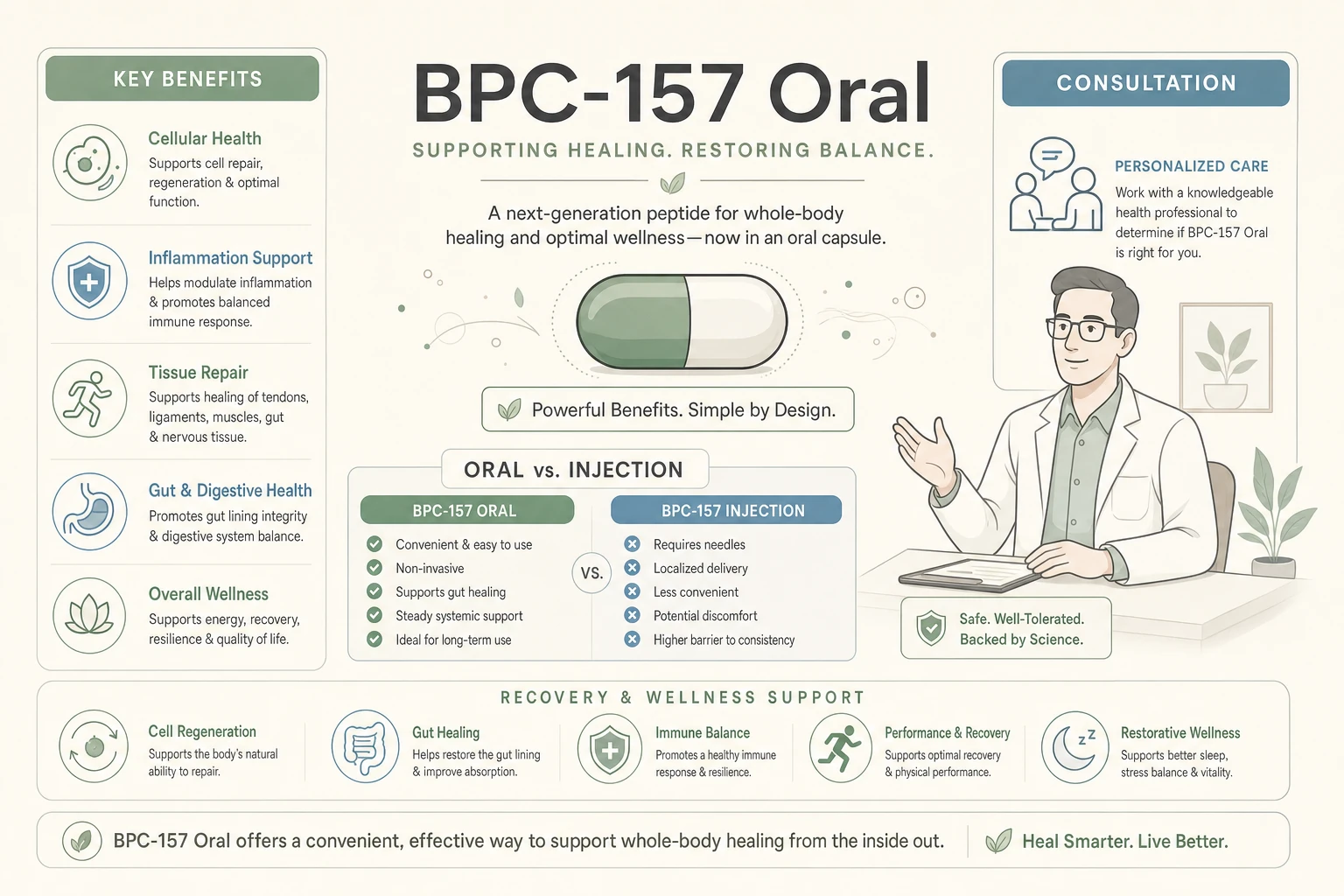
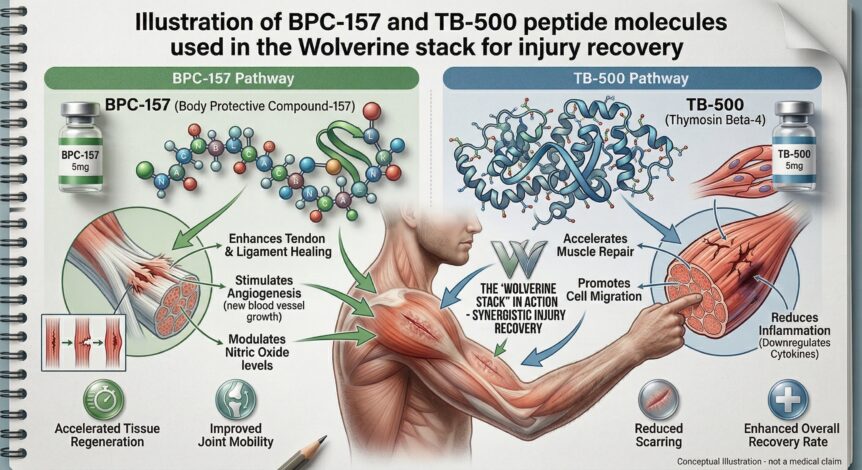
BPC-157 is thought to work through several mechanisms, including: Upregulation of growth hormone receptors in tendon and muscle tissue Promotion of angiogenesis (new blood vessel formation) Modulation of nitric oxide pathways to support tissue perfusion Anti-inflammatory effects via interaction with the dopaminergic and serotonergic systems Direct cytoprotective effects on the gut lining TB-500 (Thymosin Beta-4 Synthetic Fragment) TB-500 is a synthetic analogue of Thymosin Beta-4 (T4), a naturally occurring peptide found throughout the human body, with especially high concentrations in platelets, wound fluid, and areas of active tissue repair
Stem cell therapy using autologous bone marrow or adipose-derived cells is regulated under Section 361 of the Public Health Service Act as minimally manipulated tissue, allowing clinics to offer it without formal FDA approval if cells are harvested and reimplanted in the same procedure
Foundational Phase 1: Safety & Pharmacokinetics The most critical formal study remains the PharmaCotherapia d.o.o
Conda-Sheridan, M., & Krishnaiah, M